Unveiling the Mystical Wilderness: Your Guide to a Memorable Sundarban Tour Package
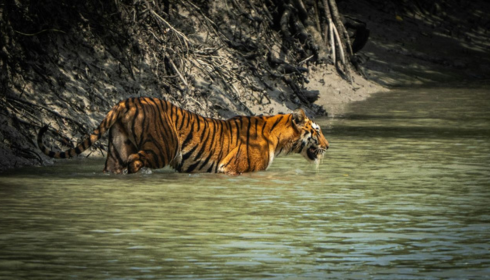
There’s something incredibly enchanting about the Sundarbans – a tangle of mangroves where land and water embrace in an intricate dance, home to elusive Royal Bengal tigers, shy river dolphins, and an astonishing variety of birds and reptiles. Tucked away in the southern fringes of West Bengal, this UNESCO World Heritage Site isn’t just a destination; it’s an experience. Whether you’re an adventure junkie, a wildlife enthusiast, or a peace-seeker, a well-crafted sundarban tour package can unlock nature’s secrets like nothing else.
Why Sundarban Should Be On Your Travel Wishlist
Imagine waking up to the sounds of chirping kingfishers and the gurgle of gentle tidal rivers. The Sundarbans offer that rare blend of calm and thrill. The region comprises one of the largest river delta systems in the world, formed by the confluence of the Ganges, Brahmaputra, and Meghna rivers. The forest is famously home to the man-eating Royal Bengal tigers, saltwater crocodiles, spotted deer, wild boars, and even monitor lizards.
Beyond its wild inhabitants, the Sundarbans are steeped in cultural mysticism. Local folklore, Bonbibi worship, and traditional fishing villages add a human charm that’s just as compelling as the landscape.
What to Expect From a Sundarban Trip
A typical sundarban trip begins with a boat ride from Kolkata or Canning, the gateway towns. These wooden launch boats – often doubling up as your accommodation – take you deep into the forest’s veins, cruising through creeks with names like Matla, Bidya, and Gomor. The views are unreal. On a lucky day, you might spot tiger pugmarks on muddy banks or even a crocodile basking in the sun.
Most tour packages last 1 to 3 nights, depending on how immersive you want the experience to be. Longer trips often include stops at Sajnekhali Watchtower, Sudhanyakhali, Dobanki, and Netidhopani – places known for good wildlife sightings. You’ll also witness the resilience of local village life, especially in Gosaba and Dayapur, where locals live in harmony with both river and beast.
Inclusions and Customisations
Depending on your budget, packages vary from rustic homestays to comfortable eco-resorts and even luxury river cruises. Almost all tours include meals, park entry permits, guide charges, and boat transportation. Some packages go the extra mile with tribal dance performances, village walks, and crab-catching demonstrations.
For photographers or birdwatchers, customised itineraries are available that give more time for nature interpretation, early morning rides, and silent boat drifts.
Best Time to Visit
While Sundarbans can technically be visited year-round, the ideal time is between November and February. The weather is pleasant, wildlife is more active, and the risk of cyclones is low. March to May gets hotter and more humid, and monsoons (June–September) can disrupt travel, though the lush greenery post-rain has its own charm.
Tips for a Responsible Sundarban Journey
- Avoid using plastic during your trip – the delta is ecologically fragile.
- Stick to designated routes during boat safaris.
- Carry insect repellent and light, full-sleeved clothing.
- Respect local customs and support village crafts or eco-tourism initiatives when possible.
A Journey You’ll Never Forget
There are few places on Earth where you feel so intimately connected to the raw forces of nature. The Sundarbans remind you how tiny and transient we are in the face of the wild – and how awe-inspiring it is when humans live in respectful coexistence with it. Whether you’re going solo, with a group of friends, or family, a well-organized Sundarban escape is a breath of fresh, muddy, salty air that you’ll carry with you for a lifetime.
So pack your binoculars, charge your camera, and let the tide take you into the heart of the wild.